

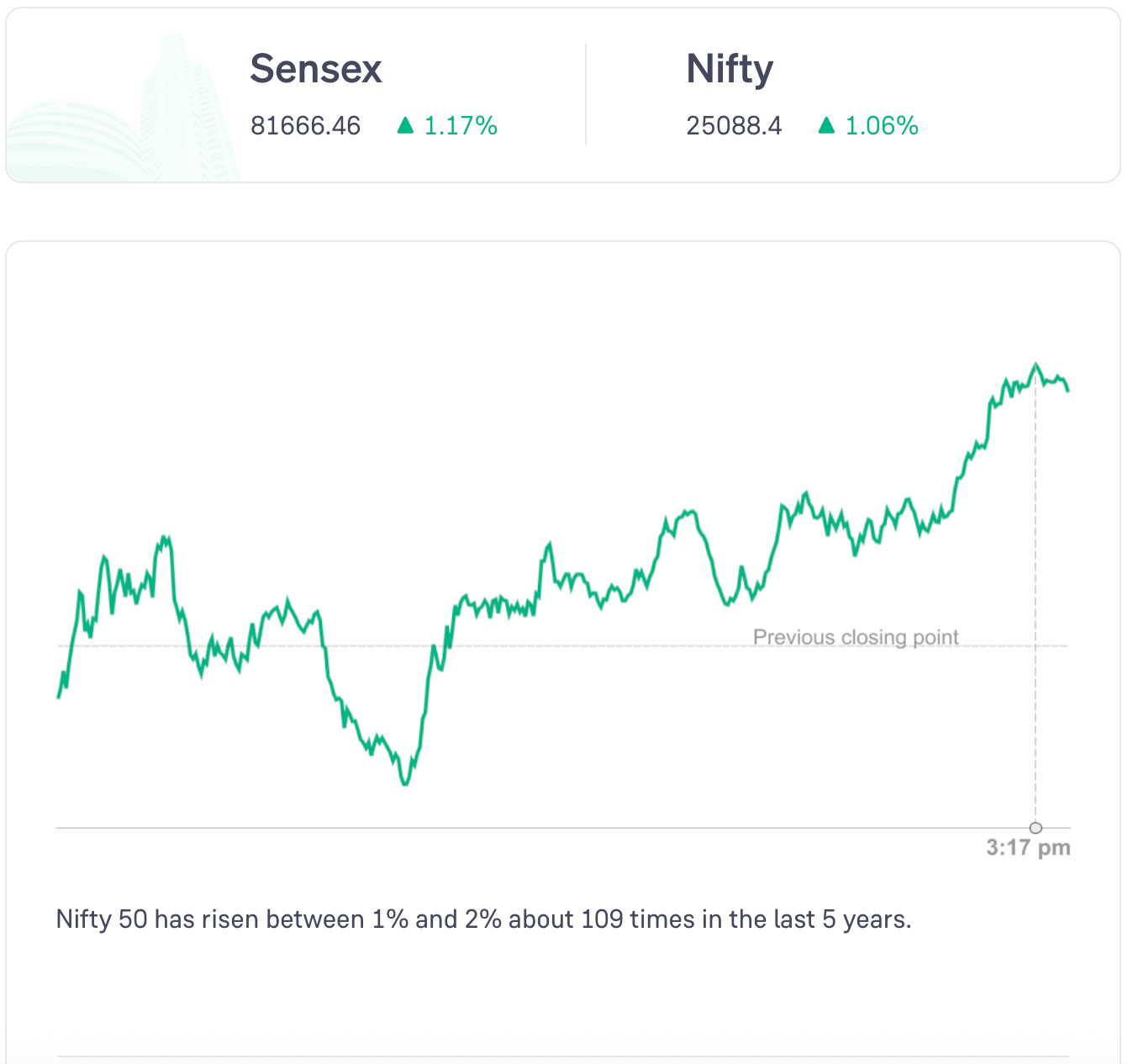
Markets opened below yesterday’s closing point.
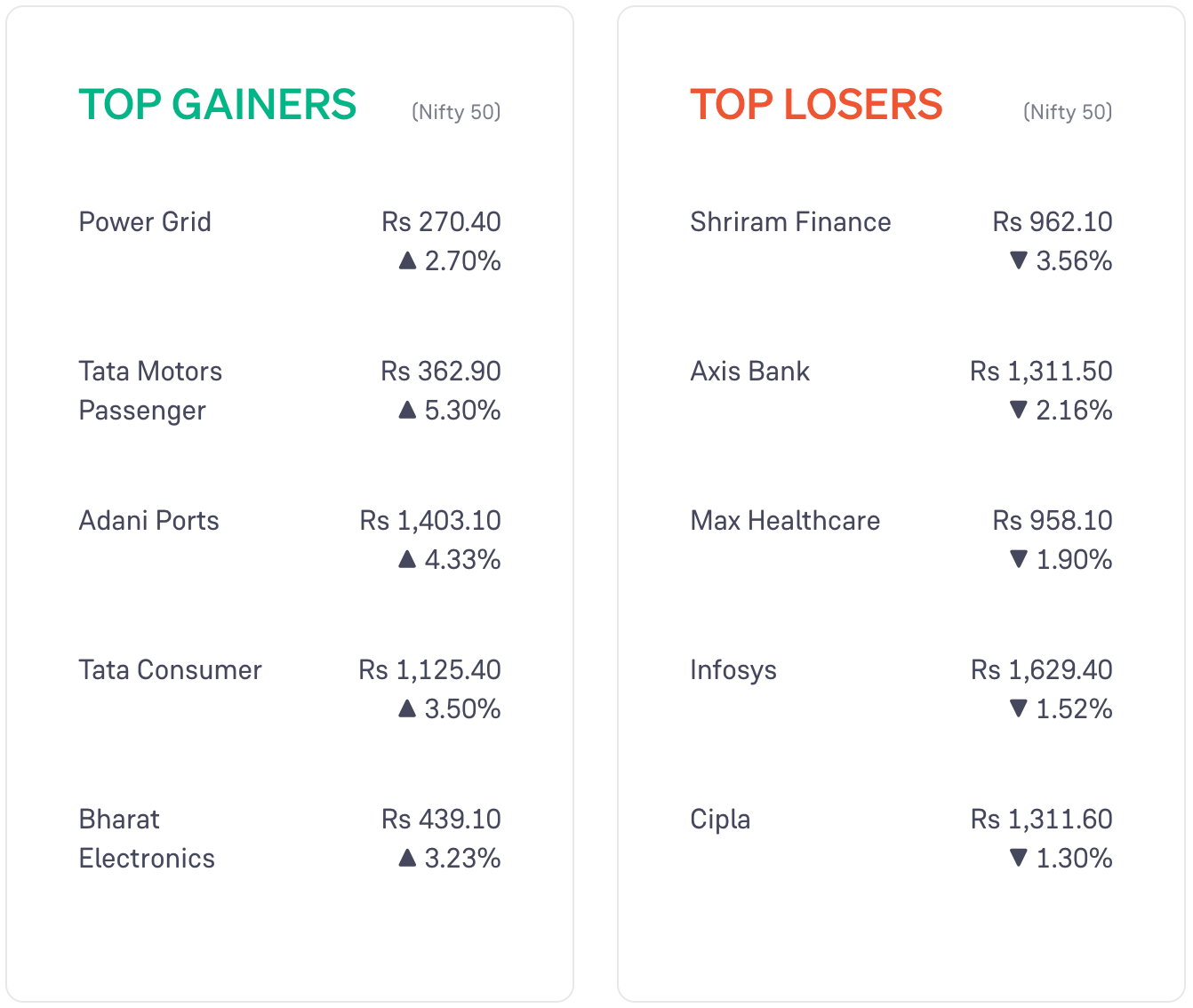
Auto stocks and oil and gas stocks rose the most today. IT stocks and healthcare stocks fell the most.
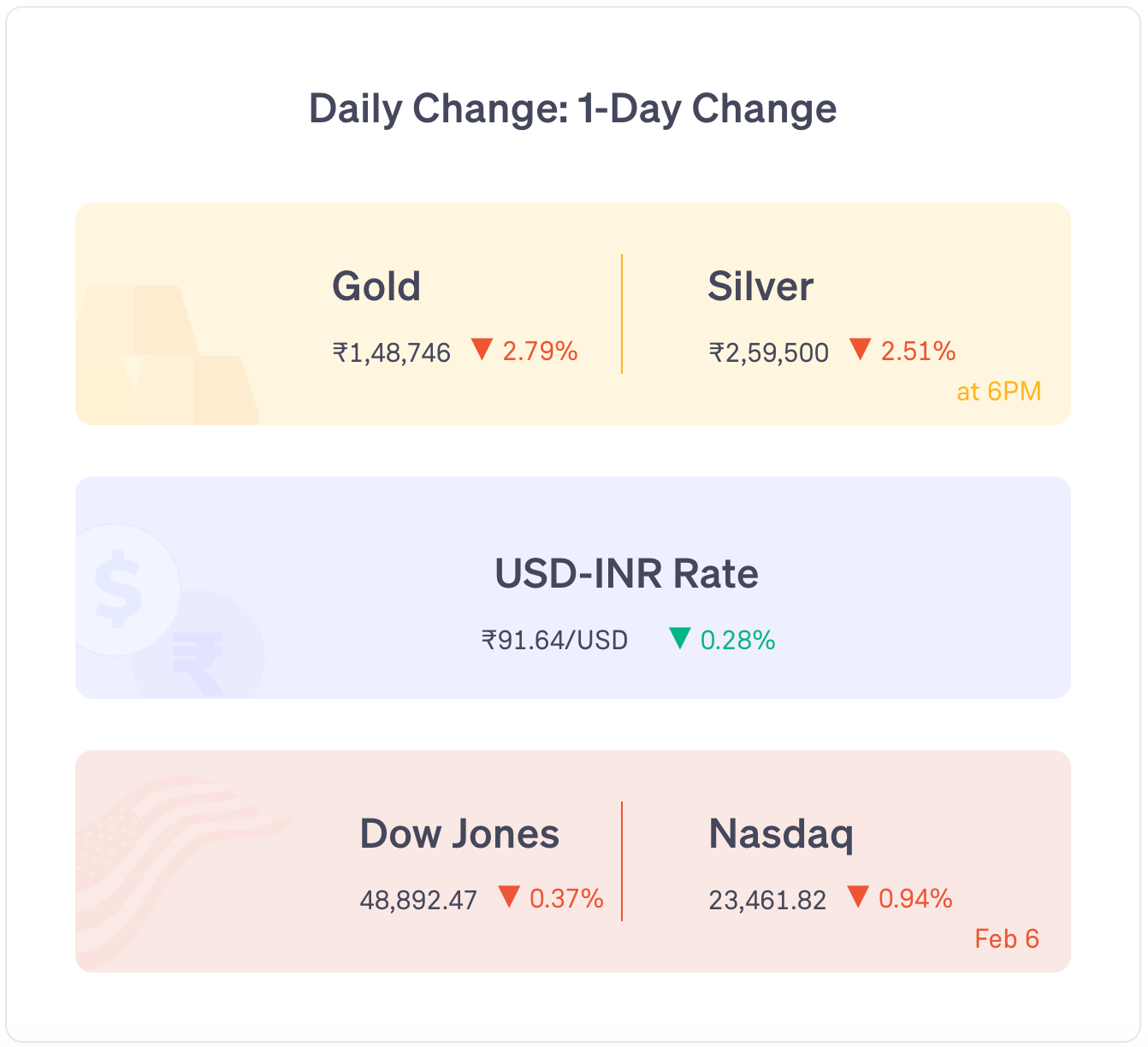
Global markets: US markets and Asian markets fell. Most European markets rose (as of 6 pm IST).
News
India’s manufacturing PMI rose to 55.4 in Jan (vs 55 in Dec). This means manufacturing activity rose more in Jan than in Dec.
SEBI announced a one‑year special window from 5 Feb for investors to transfer and dematerialise physical shares bought or sold before 1 April 2019, including pending or rejected requests.
Stocks Updates
Hyundai Motor: net profit rose 6.3% year-on-year to Rs 1,234 crore in the Oct-Dec quarter.
PB Fintech: net profit rose 165% year-on-year to Rs 189 crore in the Oct-Dec quarter. The board will meet on 5 Feb to consider raising funds via Qualified Institutional Placement.
Power Grid: a company subsidiary commissioned the Khavda II-C transmission project for evacuating 4.5 GW renewable power.
Hindustan Zinc: approved the allotment of non-convertible debentures worth up to Rs 1,400 crore.
Info Edge (Naukri): has invested Rs 66 crore so far in its subsidiary Redstart Labs, with the remaining Rs 34 crore to be invested in phases based on future funding needs.
Word of the Day
Appropriation Bill
It is a bill that allows the government to withdraw money to meet its expenses after the Union Budget
It is presented in Parliament after the Budget is announced.
Once it is passed by the parliament, the government can withdraw money from the Consolidated Fund of India, which is the primary account for revenues of the Indian government.
Without this bill, the government cannot spend any money, even if it was announced in the Budget.
Salaries, pensions, and infrastructure spending proposed in the Budget are paid only after the bill is approved.
6 Day Course
Theme: common ways to cook books
Day 1: Monday
Companies are mandatorily required to publicly disclose details of the company.
This makes things more transparent.
But some ill-intentioned companies manage to lie despite disclosing everything.
They use loop-holes to legally publish everything they are supposed to, but still hide the real picture.
This is called cooking the books. In this week’s course, we will understand some of the most common methods of doing this.
One of the easiest and most common methods is to “sell” to distributors.
These are shown in quarterly reports as sales. But since the items may not have as high a demand in the market, the distributors will later end up returning the items without selling them.
But the company will be able to show higher sales in that quarter.



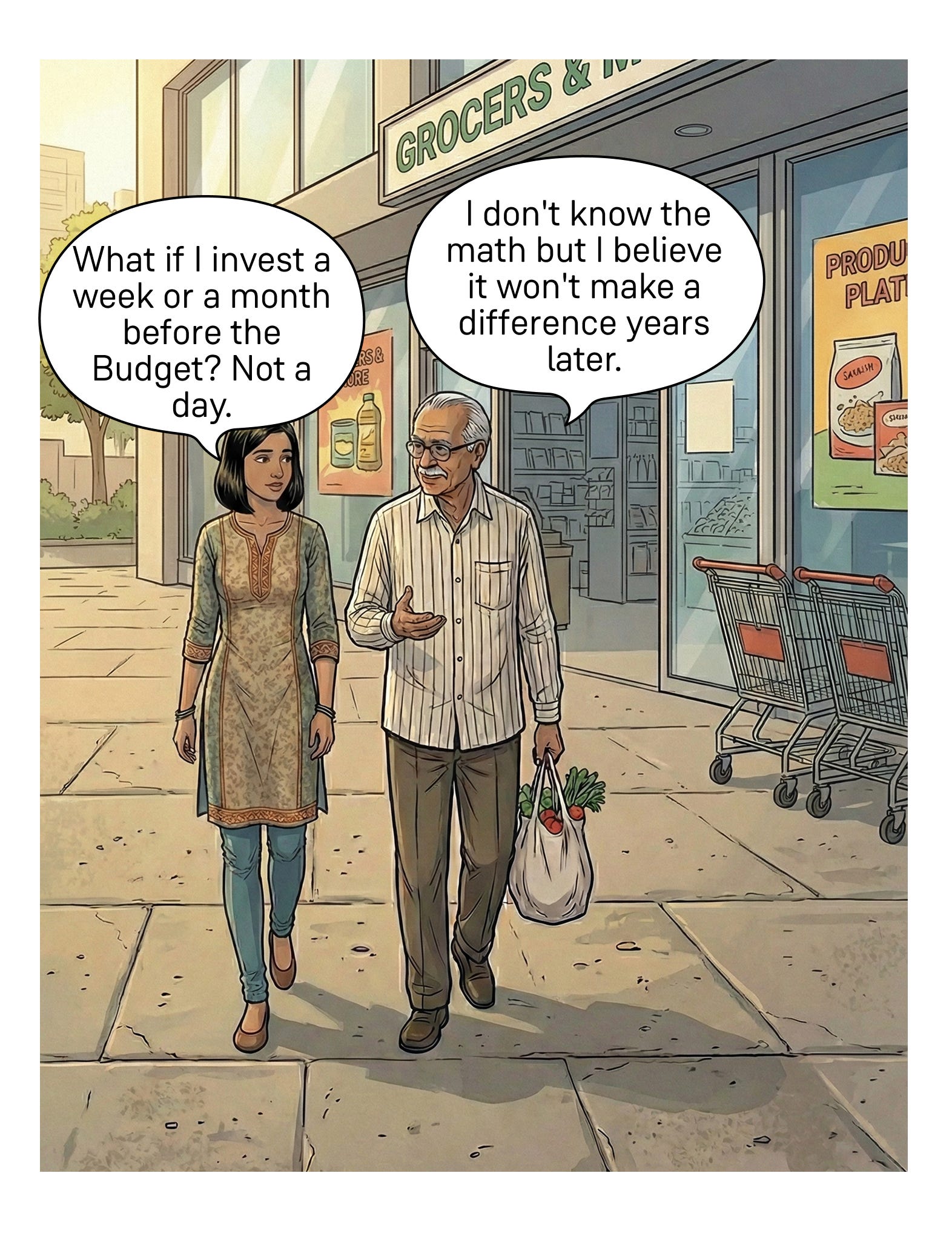

We explored the question “What if I invested just before the Union Budget is announced? Does investing only in high volatility market (VIX>20) help?”
Check out the full report here.
Did you like this edition?
Leave a feedback here!