
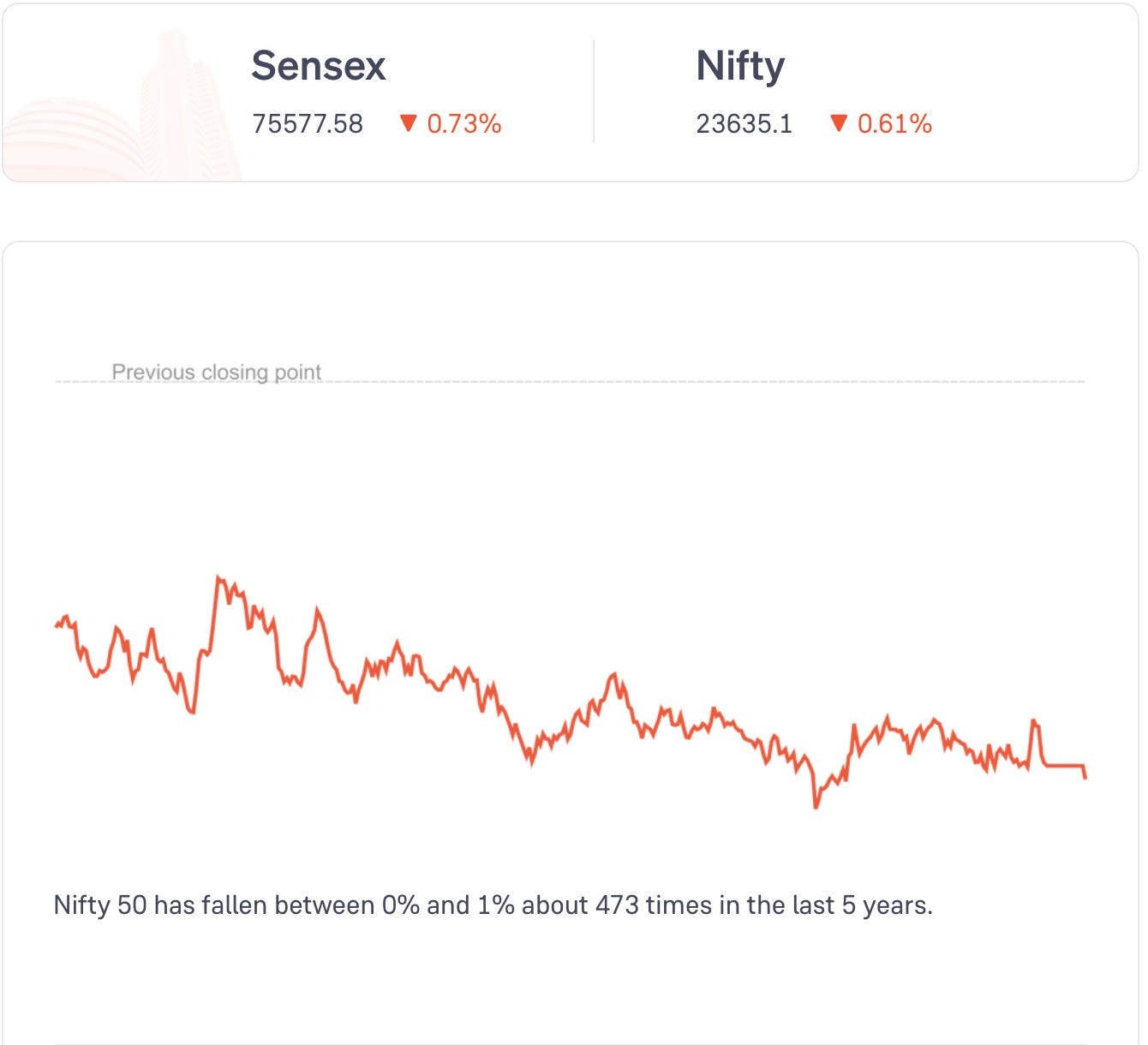
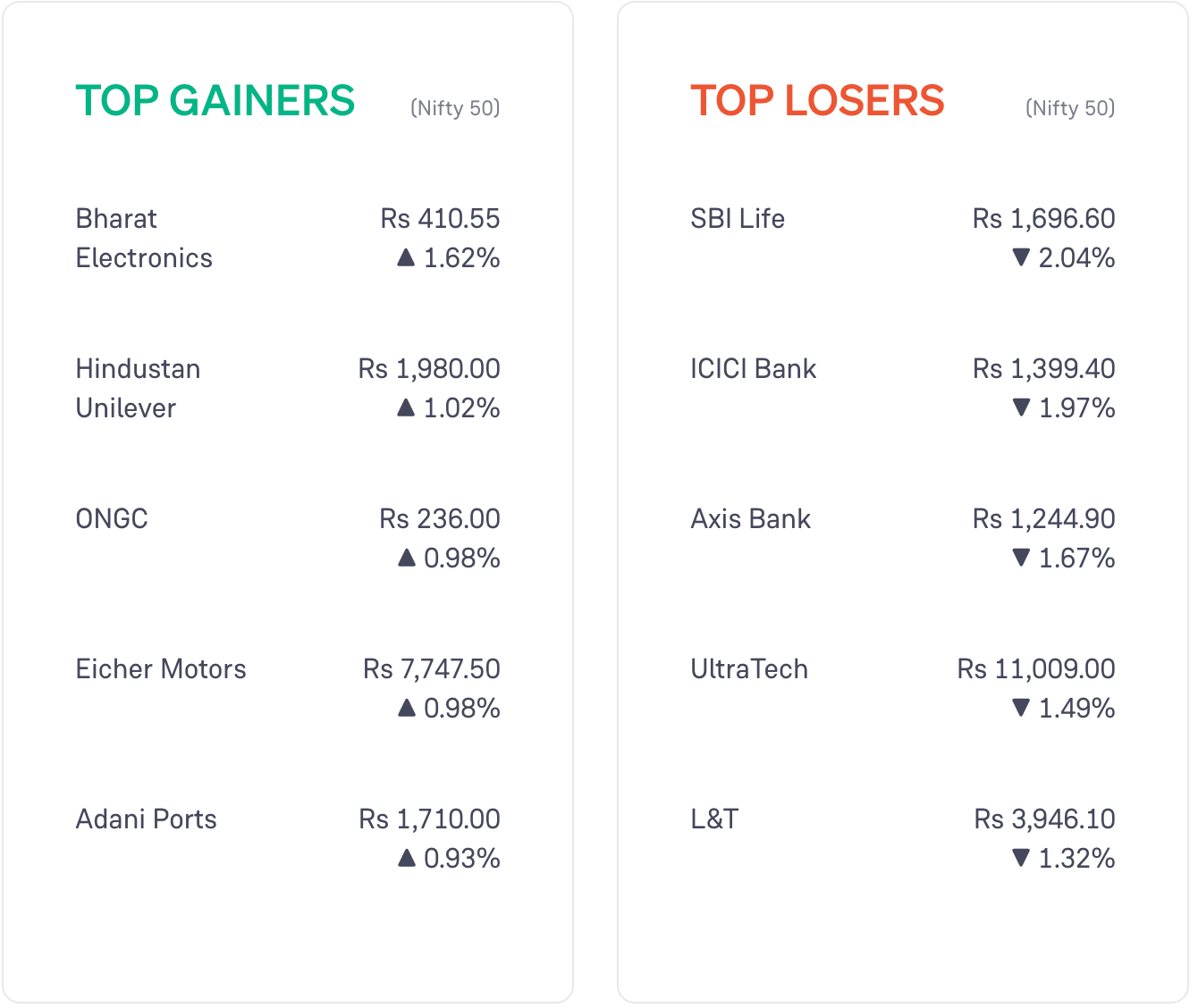
Markets closed lower compared to yesterday’s closing point.
The fall may have been due to the ongoing US-Iran conflict which caused Brent Crude oil to rise close to $100 mark.
Private bank stocks and oil & gas stocks fell the most today. Media stocks and pharma stocks rose the most. The broader market ended in green.
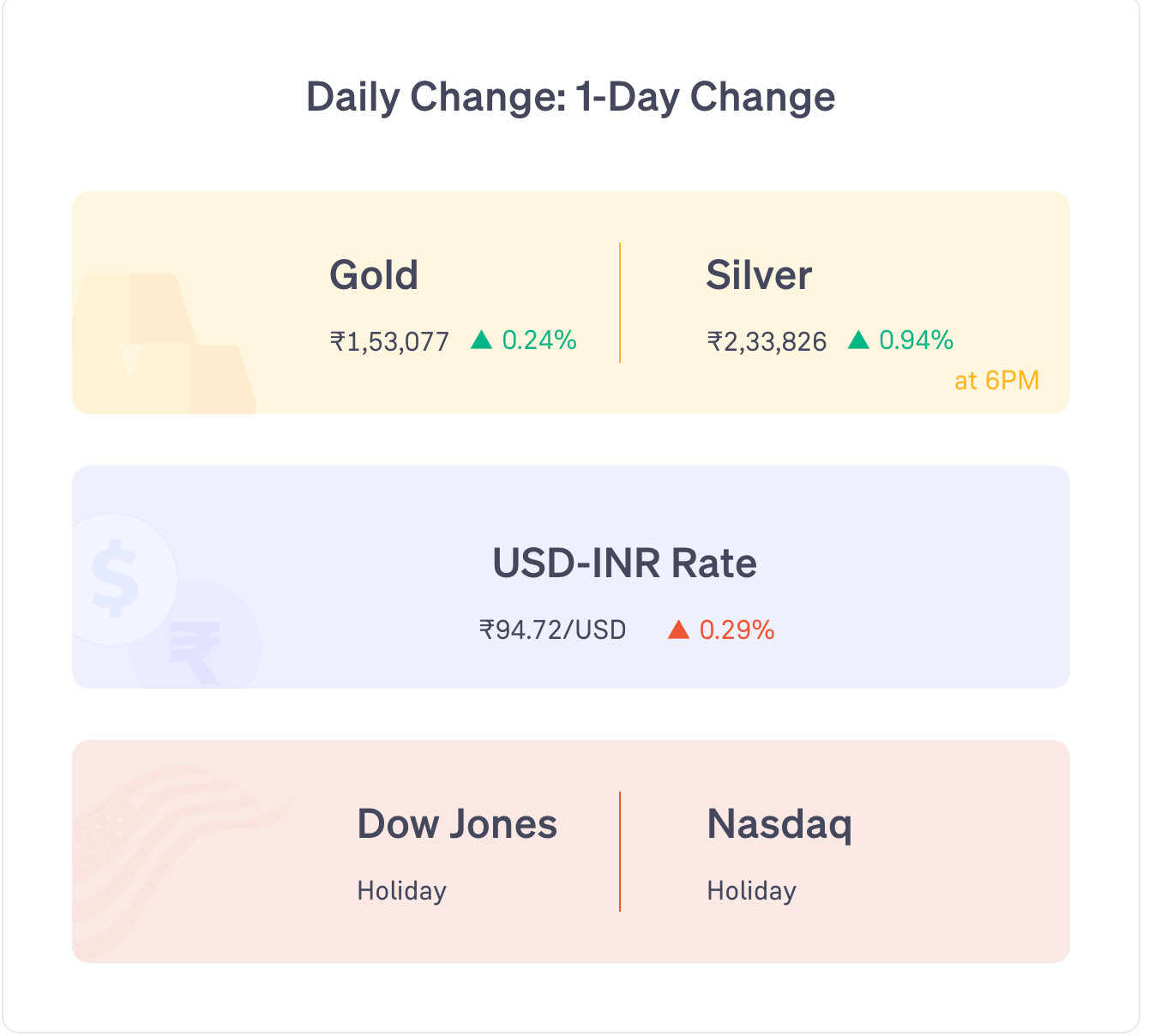
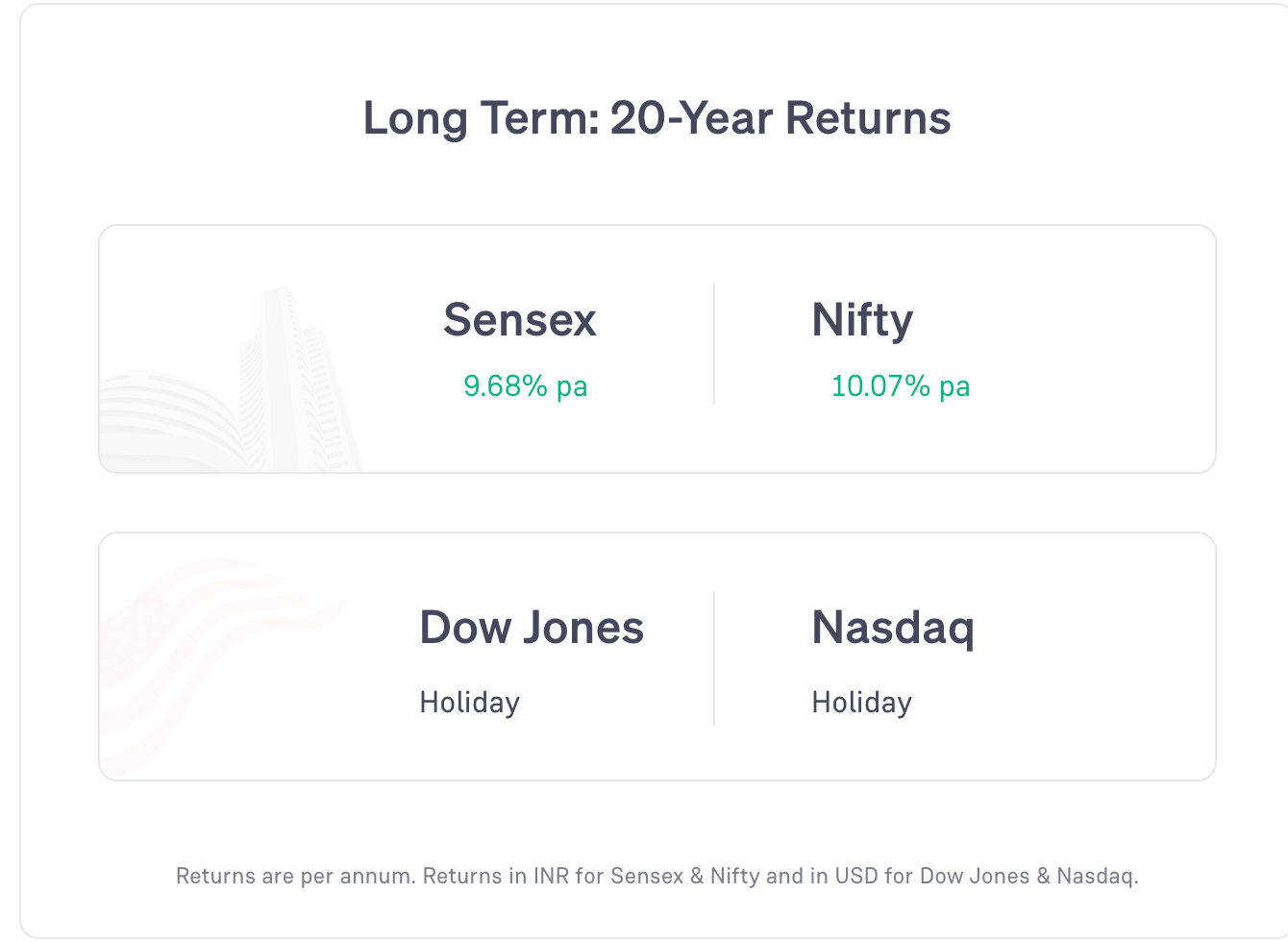
Global markets: US markets were closed on Monday for Labor Day. Most Asian markets fell on Tuesday. European markets showed a mixed trend (as of 6 pm IST).
News
The government approved Strategic Investment Plans (SIPs) worth Rs 735.70 crore for ITI clusters in Rajasthan, Uttar Pradesh, and Telangana.
SEBI removed the regulatory requirement for FPIs investing in government securities to provide investor group details. This follows a recent RBI circular that removed concentration limit requirements.
Alternative fuel vehicle sales overtook petrol sales in August, as per FADA. The combined retail sales of alternative fuels for passenger vehicles, including CNG, hybrids and EVs rose to 41.95% against petrol’s 40.85%.
Kanohar Electricals was subscribed 2.70 times on day 1. Retail subscription: 3.30 times. The IPO will close for subscription on 10 September.
Prasol Chemicals was subscribed 0.41 times on day 1. Retail subscription: 0.69 times. The IPO will close for subscription on 10 September.
Stock Updates
TCS: won a Rs 122 crore Odisha government contract to build an AI-enabled digital-governance platform.
Bajaj Finance: raised Rs 2,050 crore by issuing secured NCDs at an 8.07% coupon rate.
HCLTech: opened a 40,000 sq ft semiconductor lab in Bengaluru with an Rs 185 crore investment.
HAL: received in-principle approval from the Defence Acquisition Council for procurement of Advanced Light Helicopters for the Indian Army and Air Force.
Bank of Baroda: plans to sell 35% of its holding in NSE through the offer for sale in NSE’s proposed IPO.
DMart: raised Rs 300 crore through 90-day commercial paper at 6.40% coupon.
Tata Capital: raised Rs 3,000 crore through secured NCDs at an 8.05% coupon.
GMR Airports: plans to issue up to Rs 1,500 crore of unsecured bonds at a 5% interest rate to repay Rs 1,500 crore of existing bonds.
Mankind Pharma: shareholders approved the voluntary liquidation of subsidiary Bharat Serums and Vaccines, subject to creditor approval.
Max Healthcare: invested Rs 87.87 crore in Kalinga Hospital through a rights issue, increasing its stake from about 58.28% to 66.15%.
REC: issued India’s first pilot tokenised corporate bonds under SEBI’s regulatory sandbox, raising Rs 500 crore at a 7.30% coupon for 21 months.
Word of the Day
Exchange
An exchange is a marketplace for buyers and sellers to meet each other
Exchanges are designed around the product categories being bought/sold.
We have two active stock exchanges in India: BSE and NSE.
Likewise, there are exchanges for commodities like MCX and NCDEX.
6 Day Course
Theme: strategies of long-term investing
Day 2: Tuesday
Some factors rating agencies use to judge mutual funds:
Returns: this is no surprise. Agencies look at past returns over different periods and compare the returns against the benchmark returns.
Risk adjusted returns also fall under this — how well a mutual fund performs factoring in the risk it took.
Consistency: many agencies reward consistency and stability highly.
Fund manager: many agencies will also have a way of judging the fund manager’s track record.
Asset quality: they attempt to determine how ‘high quality’ a mutual funds’ holdings are.
Diversification vs concentration: different agencies handle this differently. The general belief is that neither too much diversification nor too much concentration is good.
Cost: this refers to the expense ratio of management fees charged by the mutual fund. Higher charges usually attract lower ratings.
There are many other factors different agencies also track. The above are some of the main points tracked by most of them.
————
What If
Earlier this year, the US-Iran conflict made oil prices rise up.
This became a problem for India because we import almost 80% of the oil we use.
When oil gets expensive, fuel costs go up, inflation rises and the overall economy can be affected. If the economy is affected, companies can suffer too.
So, as an investor, it is natural to wonder whether you should stop investing or exit your portfolio during such periods.
But is selling during an oil shock actually the smart thing to do?
In today’s What If, we looked at 8 major oil shocks over the past 25 years to understand if panic selling actually protected investors’ portfolios from the heavy losses and how the sectors believed to be ‘safe’ and ‘vulnerable’ actually performed during multiple oil crises.
The information presented in this post has been compiled and prepared by Groww Invest Tech Pvt Ltd and is intended solely for informational purposes. It is not tailored to any specific investment objectives, financial situations, or needs of any individual investor. The content should not be construed as investment, financial, legal, or tax advice and should not be relied upon as a substitute for professional consultation.
Investing in securities markets involves inherent risks. Investors are advised to carefully review all relevant documents and consider their own risk tolerance before making any investment decisions.
Mutual fund investments are subject to market risks; please read all scheme-related documents carefully. Past performance of financial instruments, schemes, or markets is not indicative of future results.
Groww Invest Tech Pvt Ltd is registered with the Securities and Exchange Board of India (SEBI) under Registration No: INZ000301838, as a Research Analyst under No: INH200008662, as a Depository Participant under No: IN-DP-417-2019, and with the Association of Mutual Funds in India (AMFI) under ARN-111686.
SEBI registration details: View registered name and registration numbers
Research Analyst Disclaimer: View Research Analyst disclaimer
Did you like this edition?
Leave a feedback here!