

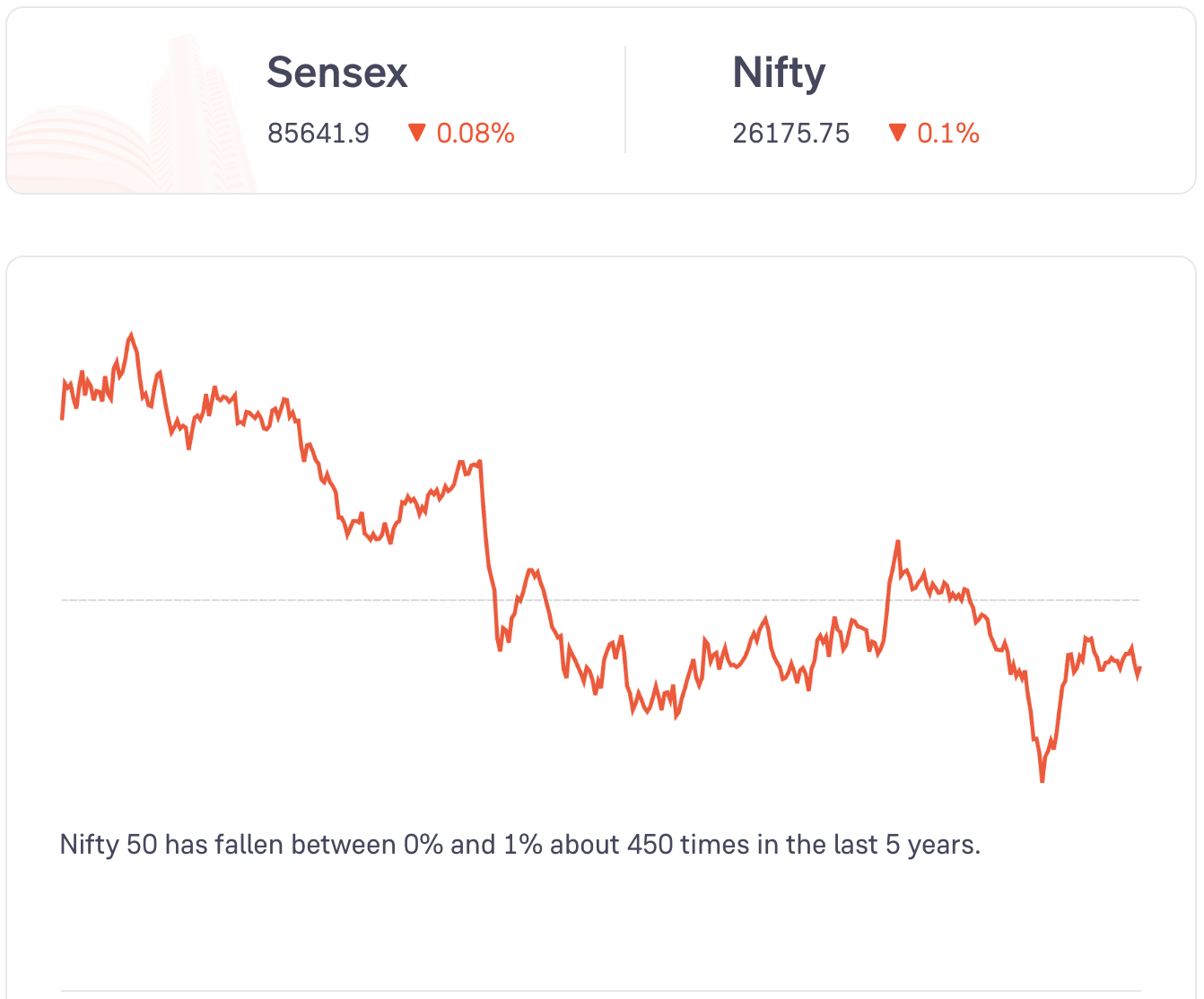
Markets opened above Friday’s closing point.
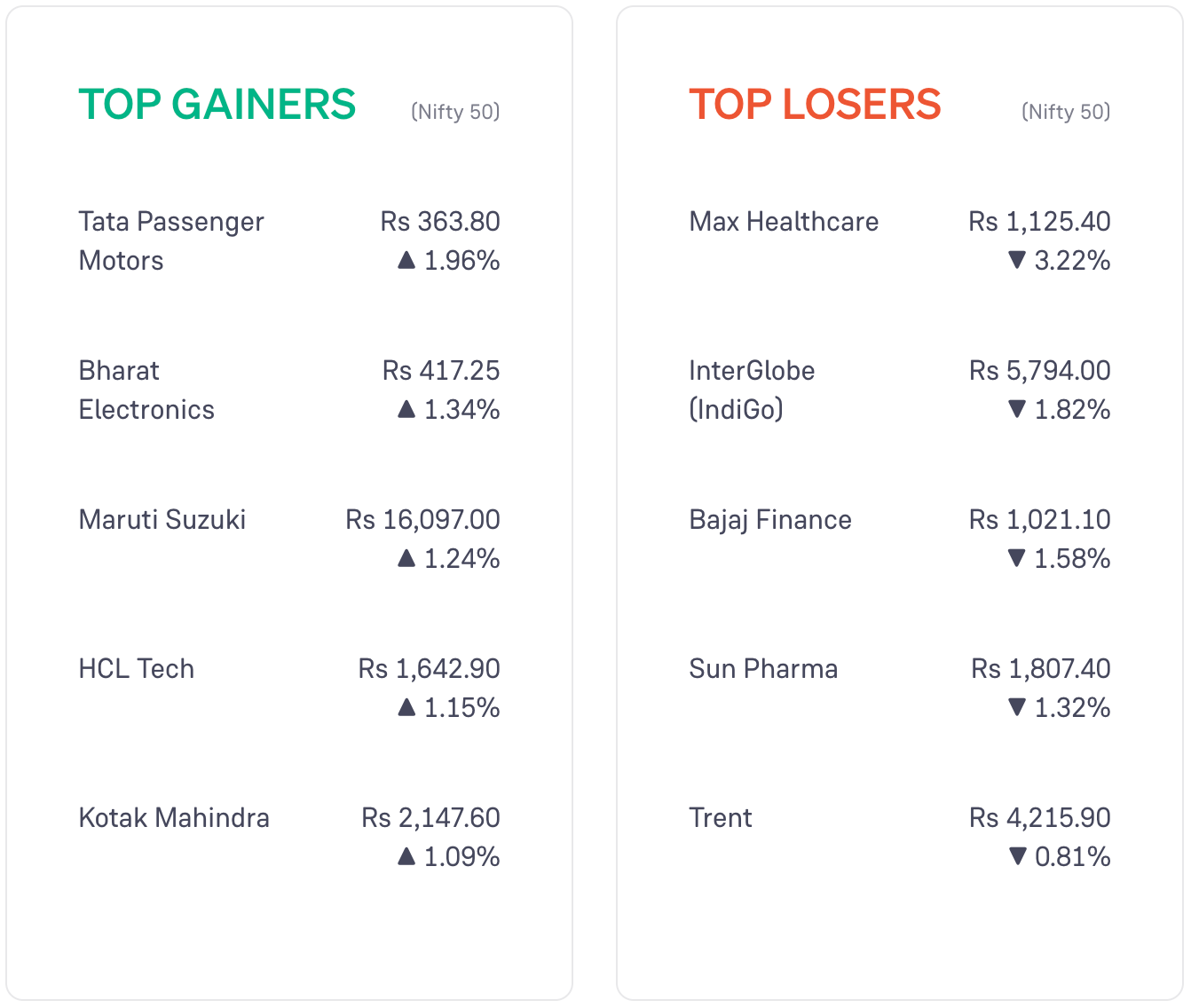
Auto stocks and metal stocks rose the most today. Realty stocks and healthcare stocks fell the most.
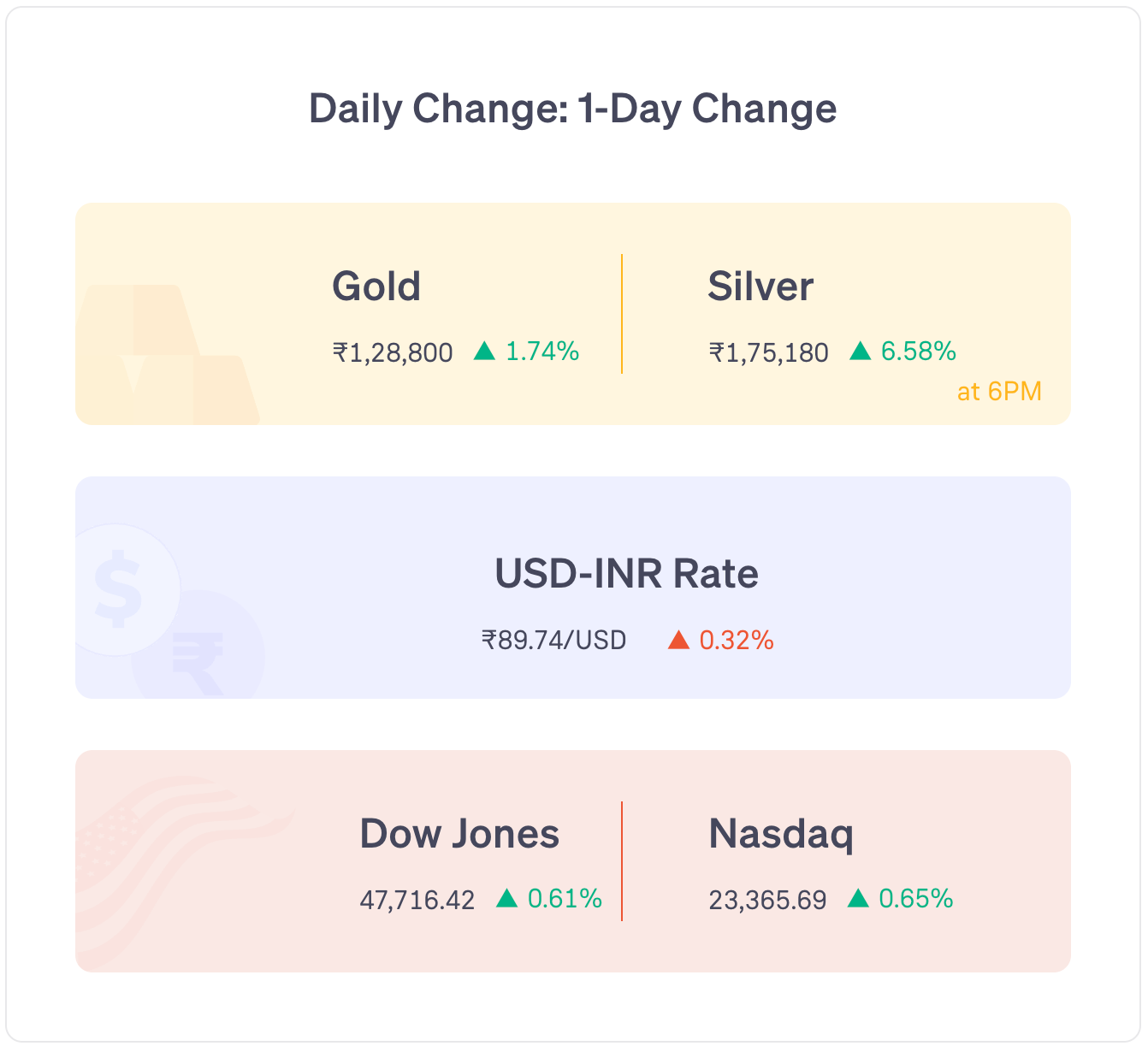
Global markets: US markets rose. Most Asian markets and European markets fell (as of 6 pm IST).
News
SEBI issued a circular stating that from 1 Jan 2026, investments by mutual funds and specialized investment funds (SIFs) in Real Estate Investment Trusts (REITs) will be treated as investment in equity-related instruments.
India’s industrial output grew 0.4% year-on-year in Oct (vs 4.6% in Sept). Manufacturing output rose 1.8%, mining fell 1.8%, and electricity fell 6.9%.
India’s manufacturing PMI fell to 56.6 in Nov (vs 59.2 in Oct). This means manufacturing activity grew less in Nov than in Oct.
The Indian government and the Asian Development Bank (ADB) have signed 3 loan agreements worth $846 million for development projects across Maharashtra, Gujarat and Madhya Pradesh.
Stocks Updates
Bajaj Finance: company would be reducing its stake in its subsidiary Bajaj Housing Finance by 2%, taking its effective stake to 86.7%.
Aditya Birla Capital: has infused Rs 300 crore in the home loan-providing subsidiary, Aditya Birla Housing Finance.
Sun Pharma: has launched a new drug named ILUMYA, which is meant to treat a type of autoimmune skin disease.
LTIMindtree: company has formally shut its Singapore-based wholly owned step-down subsidiary and analytics company ‘NIELSEN+PARTNER PTE. LTD’ after absorbing the company within itself.
LIC: has acquired a 2.03% stake in the pharma company Cipla, making LIC’s total stake in the company 7.05%.
Waaree Energies: company has been issued a GST notice to pay a penalty of Rs 85 lakh. The company plans to appeal against this notice.
Word of the Day
Interest Coverage Ratio
It shows how easily a company can pay interest on its debt based on its earnings
It’s calculated by dividing a company’s earnings before interest and taxes (EBIT) by its interest expenses.
A higher interest coverage ratio means the company comfortably earns enough to cover interest payments.
A lower ratio means that the company may struggle to meet its debt obligations.
6 Day Course
Theme: understanding PE ratio
Day 1: Monday
PE ratio is one of the top-favourite metrics of many investors when evaluating the valuation of companies.
In this week’s course, we’ll try to understand the PE ratio better, what it can tell us, and what it cannot tell us.
First, what is the PE ratio?
PE ratio = Price to Earnings ratio.
It compares the price of a company’s share to its earnings-per-share.
If a company’s share price is Rs 200 and its earnings are Rs 10 per share for a financial year, the PE ratio will be 20.
In other words, if the earnings remain the same, it will take 20 years for the earnings to match the current share price.
A higher PE ratio means the share price is higher compared to its earnings.
Naturally, new investors might assume a lower PE ratio is better. And that is true to some extent — but not always.

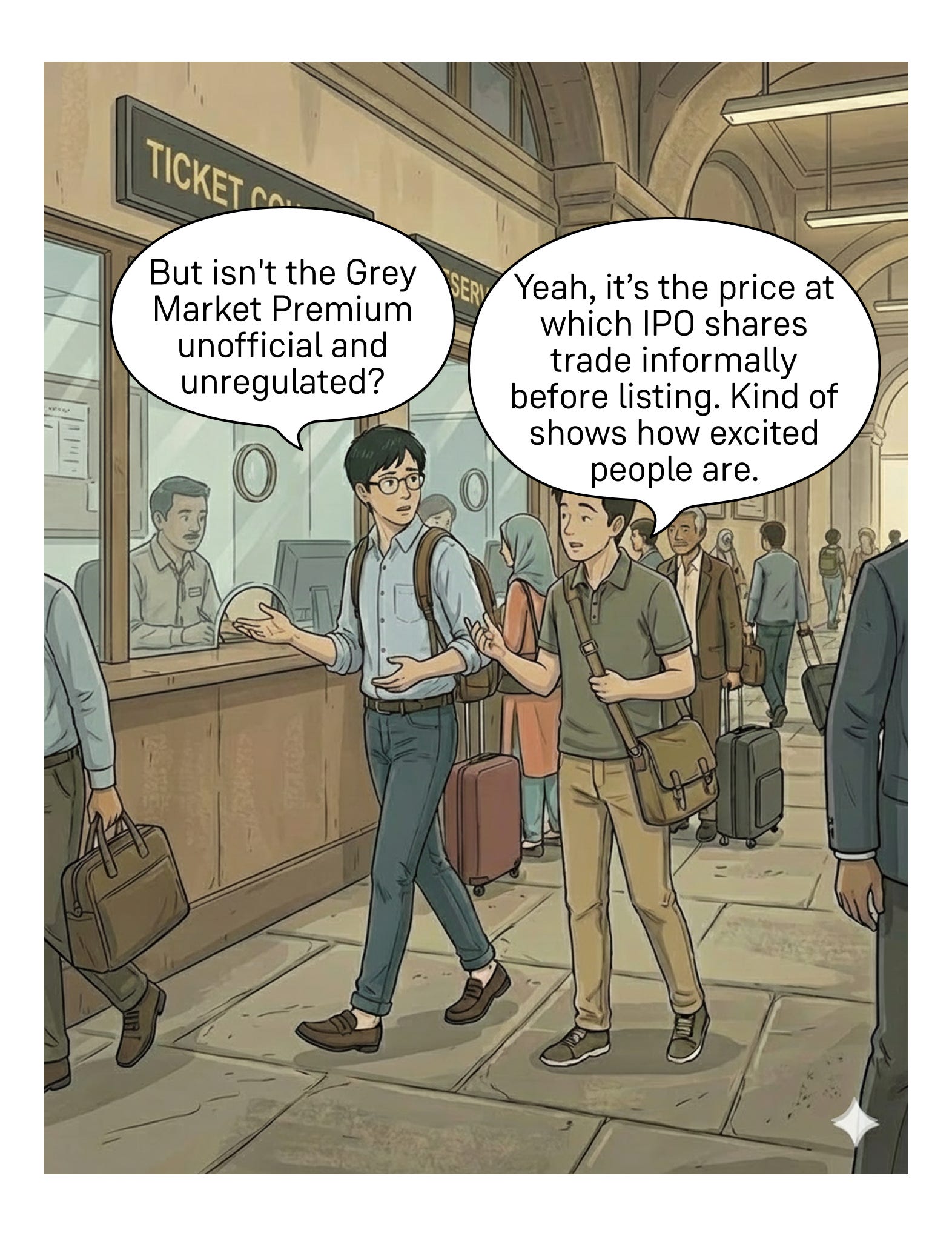
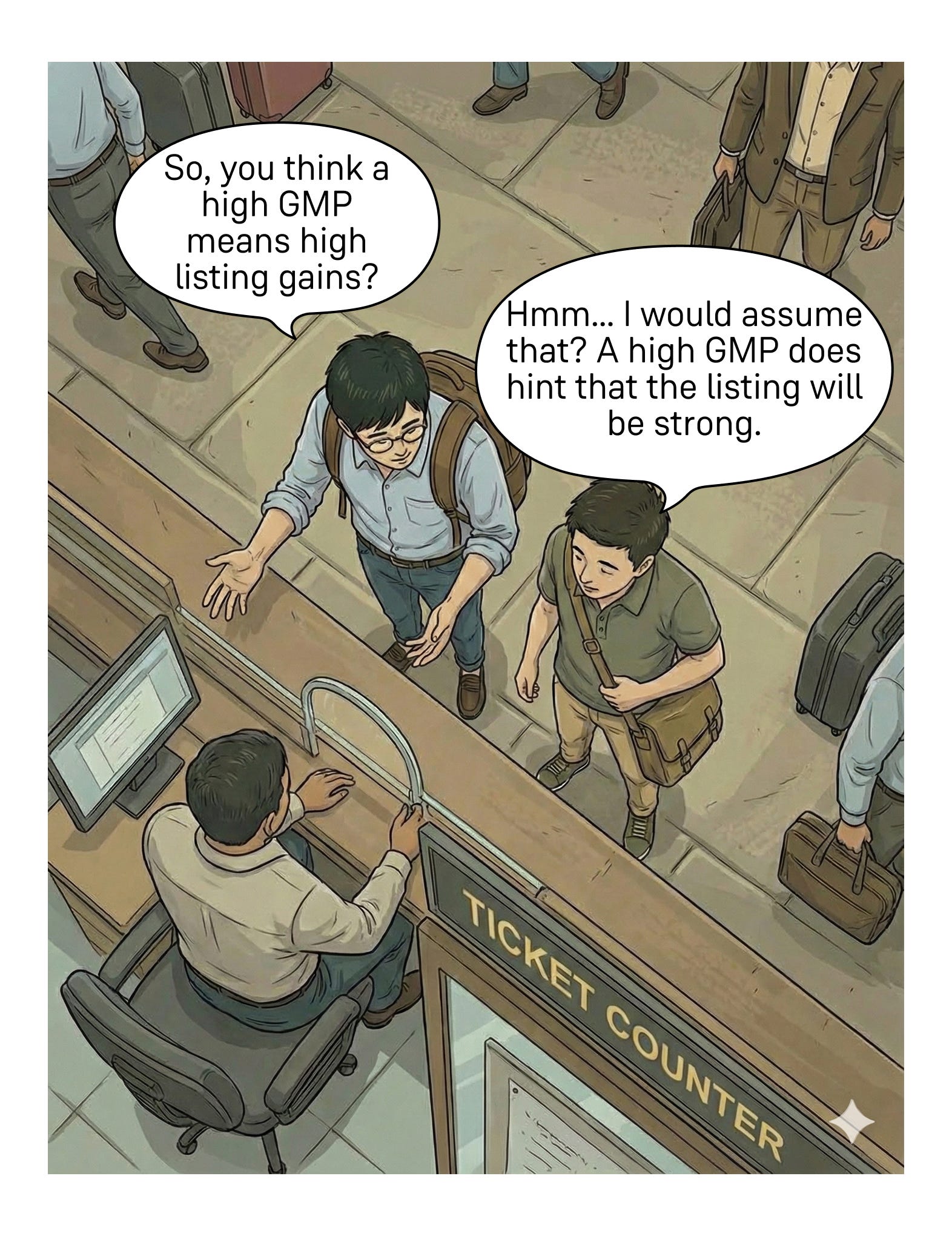
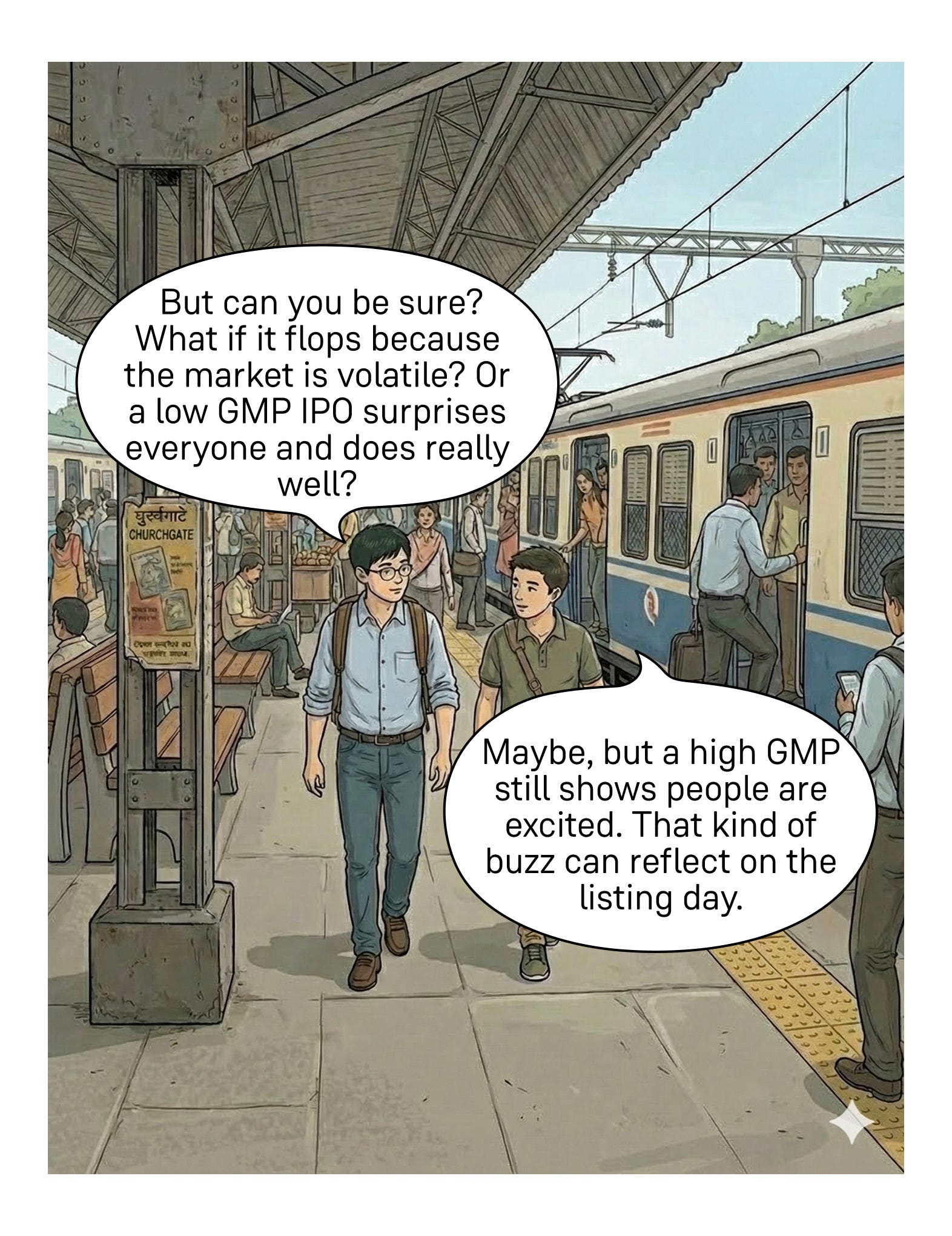

We explored the question “What if we invest in IPOs based on GMP?”
Check out the full report here.
Did you like this edition?
Leave a feedback here!